SMILE Laser Vision Correction in Philadelphia
The flap-free laser vision correction trusted by active patients
If you're nearsighted or have astigmatism, SMILE (Small Incision Lenticule Extraction) may be the most advanced vision correction option available today.
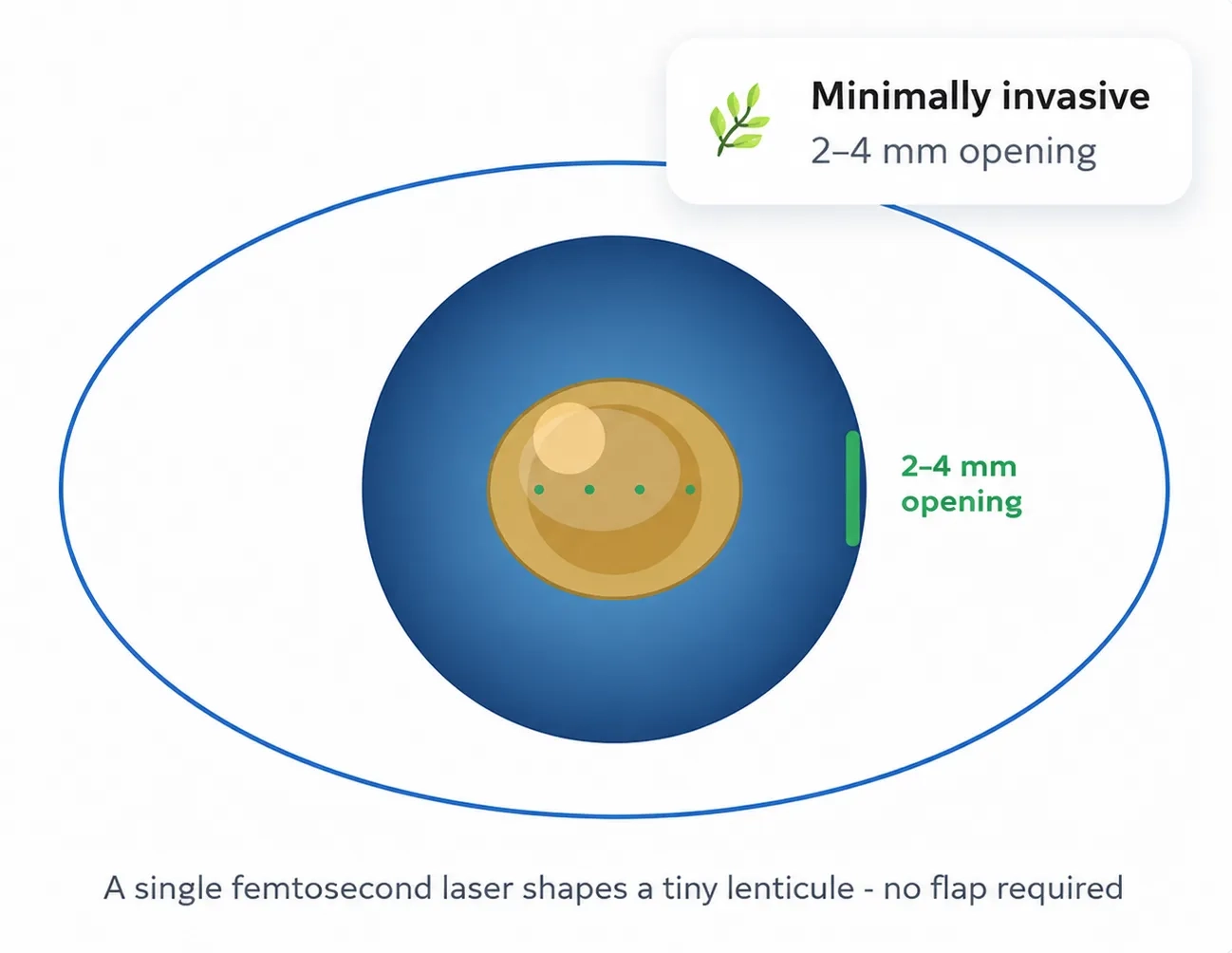
Performed by Dr. Chirag Shah, one of the leading SMILE providers in the Philadelphia region, this minimally invasive procedure reshapes your vision through a tiny 2-4 mm opening without creating a LASIK flap.
Patients choose SMILE for its fast recovery, reduced dry eye symptoms, and excellent visual outcomes.
FDA-Approved Since 2016
8 Million+ Procedures Worldwide
70,000+ Vision Correction Procedures Performed by Dr. Shah
Leading SMILE Provider in Philadelphia
The Procedure
What is SMILE Eye Surgery?
SMILE (Small Incision Lenticule Extraction) represents the latest evolution in laser vision correction for myopia (nearsightedness) and astigmatism.
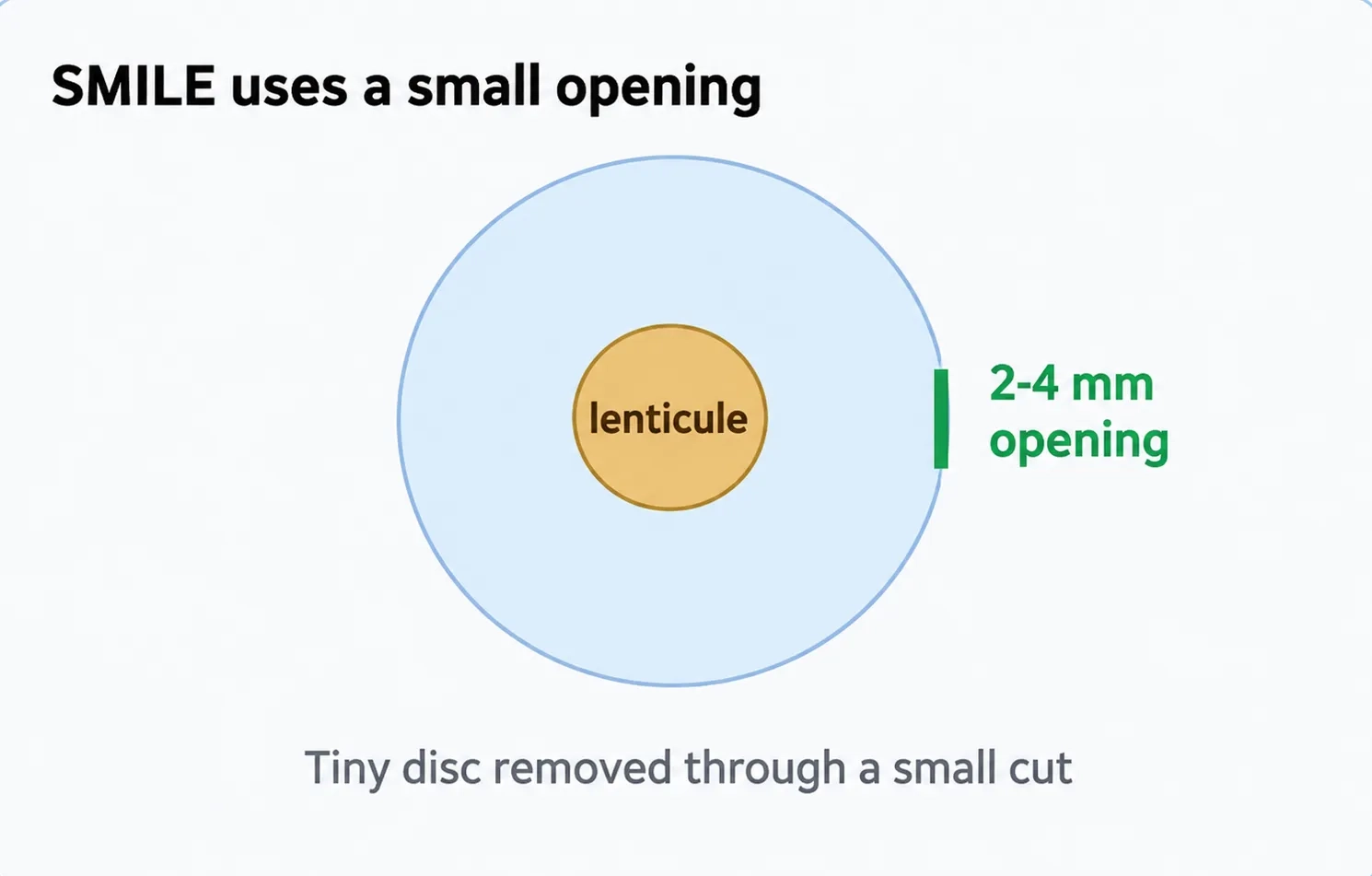
Using a single femtosecond laser, Dr. Shah creates a microscopic lens-shaped layer of tissue (called a lenticule) inside the cornea. That lenticule is then removed through a tiny self-sealing opening smaller than a grain of rice.
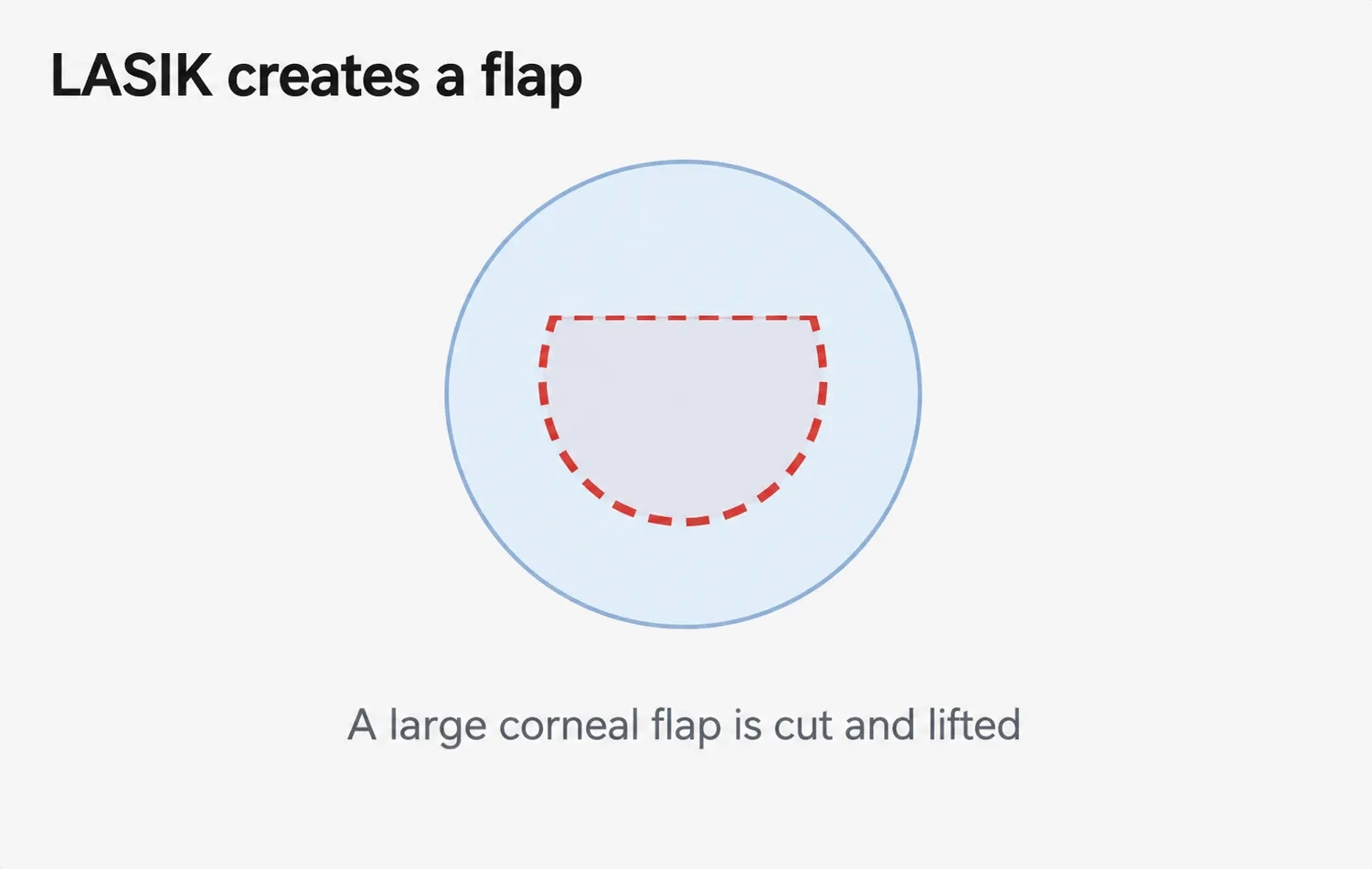
Unlike LASIK, SMILE does not require the creation of a corneal flap.
The result is precise vision correction while preserving more of the cornea's natural structure, reducing dry eye symptoms and maintaining greater corneal strength.
Why Patients Choose SMILE
Minimally Invasive
An opening 80% smaller than a LASIK flap helps preserve more of your cornea's natural structure.
Faster Recovery
Most patients return to work, driving, screens, and daily activities within 24 hours.
Excellent Vision Outcomes
Published studies consistently demonstrate visual results comparable to LASIK, with many patients achieving 20/20 vision or better.
Less Dry Eye
More corneal nerves remain intact, significantly reducing the risk of postoperative dry eye.
Comfortable Experience
One laser. One treatment. No flap creation. No excimer laser. No burning smell.
Stronger Corneal Integrity
Studies show SMILE preserves biomechanical strength better than traditional LASIK procedures.
Simple 5-Step Procedure
What to expect during SMILE procedure
1. Preparing for Your SMILE Procedure
Before the procedure begins, anesthetic eye drops are applied to numb the eye and ensure your comfort. An eyelid holder is gently placed to keep the eye open during treatment.
A contact glass is then positioned on the eye. Gentle suction helps stabilize the eye and prevent movement during the laser procedure. You may feel mild pressure for a few seconds during this step.
2. Reshaping your cornea/ Creating the Lenticule
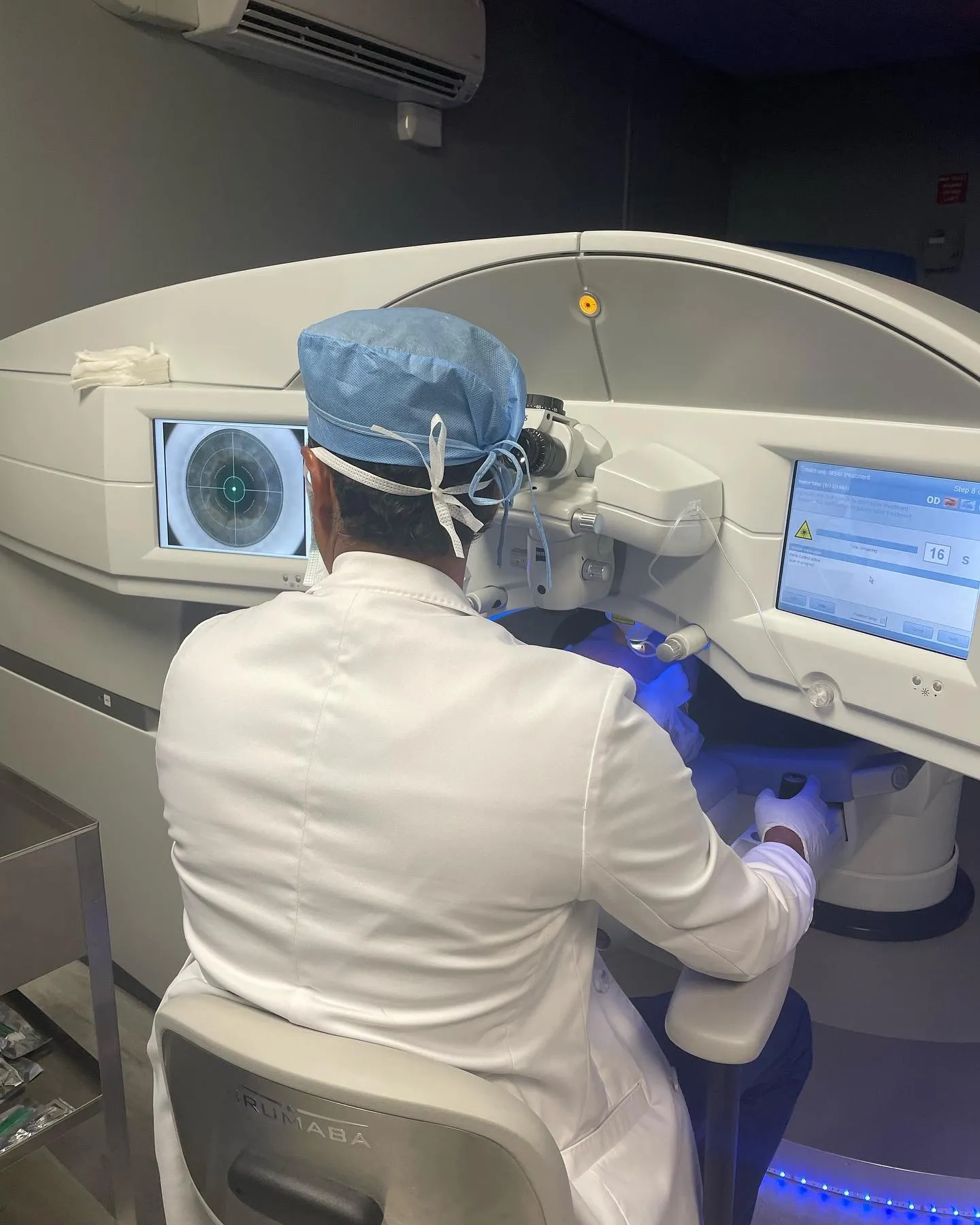
SMILE is performed using the ZEISS VisuMax® femtosecond laser.
In less than 30 seconds, the laser creates a thin disc-shaped piece of corneal tissue called a lenticule, along with a small incision of approximately 4 mm. The size and shape of the lenticule are customized to correct your specific refractive error, such as myopia (nearsightedness) and astigmatism.
3. Removing the Lenticule
The surgeon carefully removes the lenticule through the small incision created by the laser. This minimally invasive step reshapes the cornea without the need to create a corneal flap.
4. Correcting Your Vision
Once the lenticule is removed, the shape of the cornea is altered, allowing light to focus more accurately on the retina. This correction can significantly reduce or eliminate the need for glasses or contact lenses.
5. Healing and Recovery
The small incision heals naturally without stitches. Many patients can return to most normal daily activities as early as the next day.
To support optimal healing, patients should temporarily avoid activities that may irritate or injure the eyes, such as contact sports or exposure to dusty or smoky environments. Your surgeon will provide personalized instructions on recovery and when it is safe to resume specific activities.
Candidacy
Who Is a Good Candidate for SMILE?
SMILE is an FDA-approved laser vision correction procedure designed to treat myopia (nearsightedness) and astigmatism.
The best candidates for SMILE laser eye surgery typically meet the following criteria:
- Stable vision prescription for at least one year
- Myopia (nearsightedness) up to approximately -10.00 D
- Astigmatism up to approximately -3.00 D
- Healthy corneas, with no signs of keratoconus or significant corneal thinning
- Not currently pregnant or nursing
- An active lifestyle, including participation in sports, fitness activities, or military service
- A history of dry eye symptoms that may make flap-free vision correction preferable to LASIK

Who Is Not a Candidate for SMILE?
At this time, SMILE is not approved to treat hyperopia (farsightedness). Patients who are farsighted may be better candidates for other vision correction procedures, such as LASIK or Refractive Lens Exchange (RLE).
A comprehensive eye examination is the best way to determine whether SMILE is the right vision correction option for you.
Which Procedure Is Right for You?
There is no one-size-fits-all solution.
Your eye anatomy, prescription, lifestyle, and visual goals all play a role in determining the best treatment option.
Dr. Chirag Shah – Leading SMILE Surgeon in Philadelphia
Meet Your Surgeon
Dr. Chirag Shah is a highly experienced refractive surgeon specializing in advanced laser vision correction procedures, including SMILE, LASIK, PRK, and ICL.
As one of the first surgeons to perform SMILE in the Philadelphia area, he has remained at the forefront of laser vision correction innovation while helping thousands of patients achieve life-changing visual freedom.
Patients choose Dr. Shah for his:
- Extensive surgical experience
- Advanced refractive expertise
- Commitment to patient education
- Personalized treatment planning
- Exceptional visual outcomes
"Great experience with Dr. Shah for surgery and Dr. Kinsella for my consult! The staff was always on time with appointments and super kind. I had the SMILE procedure and true to word, by the end of the day of my surgery at 9, my vision was vastly improved. Dr. Shah made sure I felt super comfortable in the operating room, and the whole process took maybe 10 minutes when I was in there. Definitely recommend if you’re considering SMILE!"
- Josh Davis

Frequently Asked Questions
SMILE Eye Surgery FAQ
How is SMILE different from LASIK?
The main difference is that LASIK creates a corneal flap, while SMILE removes a microscopic lenticule through a tiny incision. This flap-free approach may reduce dry eye symptoms and eliminate flap-related complications.
Are SMILE results permanent?
Yes. SMILE permanently reshapes the cornea to correct the treated refractive error. However, natural age-related vision changes such as presbyopia can still occur later in life.
Can SMILE treat farsightedness?
Currently, SMILE is primarily used to treat myopia and certain levels of astigmatism. Patients with hyperopia may be better candidates for LASIK, PRK, or Refractive Lens Exchange (RLE).
How long is recovery after SMILE?
Most patients return to work and normal daily activities within 24–48 hours. Vision typically continues to sharpen over the following days and weeks.
Is SMILE safer than LASIK?
Both procedures have excellent safety profiles. SMILE offers the additional advantage of being flap-free and may reduce postoperative dry eye risk for certain patients.
Will I feel pain during the procedure?
No. Numbing drops are used before treatment, and most patients experience only mild pressure during the procedure.
Can SMILE be enhanced later?
Yes. If a significant prescription change occurs in the future, enhancement procedures may be possible depending on your individual circumstances.
Does insurance cover SMILE?
SMILE is generally considered an elective vision correction procedure and is not typically covered by insurance. Financing and payment options are available.
See Clearly Tomorrow
Discover whether SMILE eye surgery is the right solution for your vision. Book your free consultation with Dr. Chirag Shah at LASIK Experts Philadelphia - full diagnostic workup included with no obligation.